Explore The Factors That Determine The Depth Of Your Well.
One of the most common questions when planning a well is, “How deep do we need to drill?” While many people want a simple answer, the reality is that well depth can vary greatly depending on your location, geology, and water needs.
4 Key Factors That Determine Well Depth
Geology & Subsurface Structure
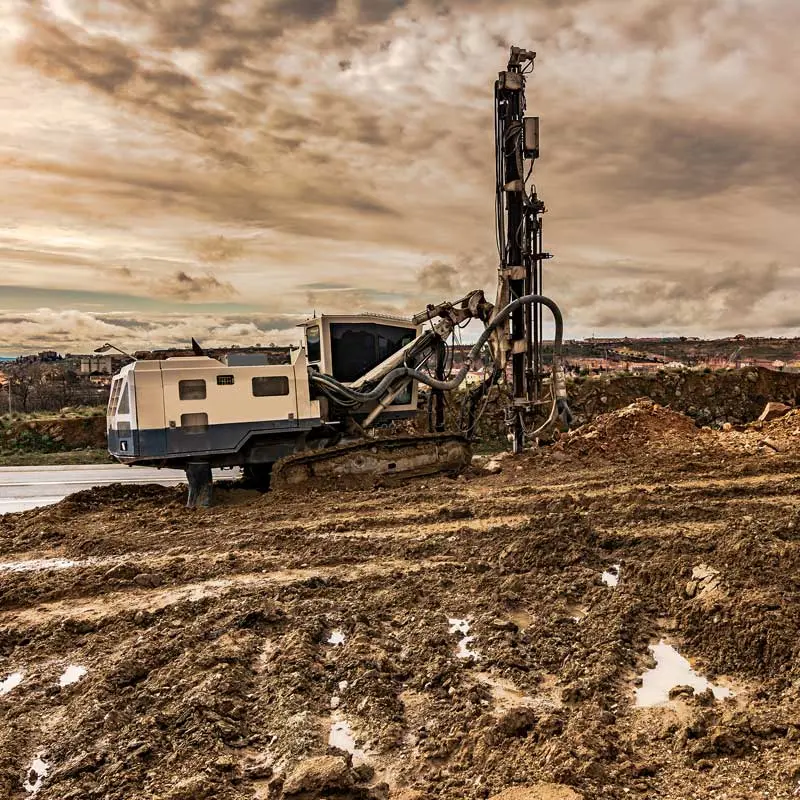
The soil composition beneath your work is the primary factor in determining how deep to drill your well. Areas with shallow bedrock may require drilling through solid rock to reach a broken zone containing water. In contrast, aquifers in areas with sandy or loamy soils are typically shallower. Geological surveys provide important clues to determine the best location to drill your well.
Local Groundwater Table
The groundwater table (the upper surface of groundwater) changes seasonally and varies from region to region. In an arid climate, you may need to drill 30 meters deep, while in a humid region, you may find water at a depth of 10 meters.
Domestic Water Needs
Larger homes or agricultural operations require higher volumes of water. Deeper wells are often able to tap into more stable, higher-flowing aquifers. Discuss your daily water needs with your drilling professional to determine your target aquifer capacity.
Regulatory requirements
Many jurisdictions enforce minimum well depth regulations to protect water quality. Deeper wells are generally less susceptible to surface contamination and are less susceptible to drought. Before drilling, always check local regulations.