How To Use a DTH Drilling Rig: A Step-by-Step Operator's Guide
Down-The-Hole (DTH) drilling is a highly efficient method for drilling hard rock formations. At wogong, we understand that maximizing the productivity and lifespan of your equipment starts with proper operation. Whether you're new to DTH drilling or looking to refine your skills, this step-by-step guide will walk you through how to use a DTH drilling rig correctly and safely.
Step-by-Step Guide: How to Operate Your DTH Drilling Rig
Step 1: Pre-Operation Site Inspection and Planning
Safety and preparation are paramount. Never skip this step.
Survey the Site: Check for overhead hazards, underground utilities, and unstable ground conditions. Ensure the area is clear of personnel and obstacles.
Plan the Hole: Mark the exact drilling location and determine the desired depth and diameter.
Check Air Supply: Ensure your high-pressure air compressor is rated for your DTH hammer's requirements and is in good working order.
Step 2: Rig Setup and Positioning
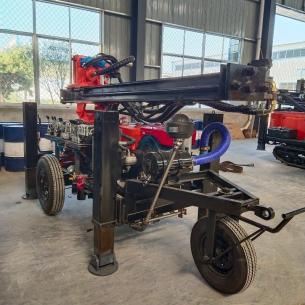
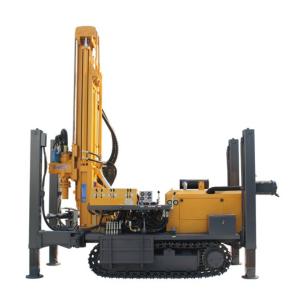
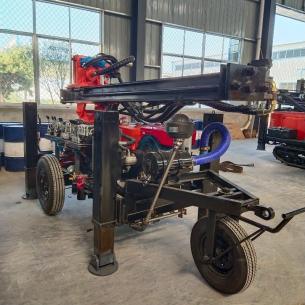
Stable Positioning: Drive the rig onto a level, stable platform. Extend the outriggers or hydraulic stabilizers fully to create a solid base. An unstable setup can lead to crooked holes, equipment damage, and safety risks.
Align the Mast: Position the mast precisely over the drilling mark. Use a spirit level to ensure the mast is perfectly vertical (or at the planned angle) for a straight hole.
Step 3: Assembling the Drill String
The drill string consists of the DTH hammer, drill bit, and drill pipes.
Start with the Hammer and Bit: Connect the appropriate DTH hammer and a new or well-sharpened drill bit. Apply a thread compound to protect the connections.
Add Drill Pipes: As you begin drilling, you will add drill pipes one by one. Ensure all thread connections are clean and tightened to the manufacturer's specified torque to prevent air leaks and thread damage.
Step 4: The Drilling Process
Start-Up Sequence:
Position: Lower the initial string (hammer and bit) until it just touches the ground.
Engage Air: Start the compressor and gradually open the air valve. You will hear the characteristic "thumping" sound of the hammer engaging.
Initiating the Hole:
Apply light downward pressure (feed force) to start the hole. Let the hammer and bit do the work—avoid excessive force.
Use a short stroke to drill the first meter, ensuring the hole is correctly collared and straight.
Normal Drilling Operation:
Optimize Parameters: Adjust the rig's rotation speed (RPM) and feed pressure based on the rock formation. Harder rock typically requires slower rotation and higher air pressure.
Monitor Dust & Cuttings: A steady flow of dust and rock cuttings from the hole indicates proper hammer function and efficient hole cleaning. A lack of cuttings could mean a blockage or hammer issue.
Add Pipe Sections: When the current pipe is nearly drilled down, stop the feed and rotation. Retract the pipe slightly to relieve pressure. Shut off the air, add the next drill pipe, and resume drilling.
Step 5: Flushing the Hole
The compressed air not only powers the hammer but also serves a critical second function: flushing the hole. It carries the crushed rock cuttings up the annular space between the drill pipe and the hole wall, keeping the hole clean and preventing the bit from getting stuck.
Step 6: Retracting the Drill String
Once the target depth is reached, it's time to pull out.
Reverse the Process: Keep the air on while initially retracting the string. This helps clean the hole one final time and prevents the bit from getting stuck.
Break Down the String: As the string is raised, carefully break apart and remove each drill pipe section.
Inspect Components: As you pull out, inspect each drill pipe, the hammer, and the bit for wear or damage.
Essential Tips for Efficient and Safe DTH Drilling
Use Clean, Dry Air: Moisture in the air line can damage the hammer's internal parts. Use a reliable air dryer and water separator.
Match the Bit to the Rock: Using the correct bit type (e.g., button shape, size) for your specific rock formation drastically improves performance and longevity.
Avoid "Blow-Ups": Never lift the hammer off the bottom of the hole while the air is fully engaged. This can cause a "blow-up" where high-pressure air escapes violently, damaging the hammer seals.
Prioritize Safety: Always wear appropriate Personal Protective Equipment (PPE), including hearing protection, safety glasses, and a hard hat.
Conclusion: Partner with wogong for Your Drilling Success
Knowing how to use a DTH drilling rig properly is the key to achieving high efficiency, low operating costs, and project success. By following this guide, you can extend the life of your equipment and complete your drilling projects on time.
Ready to invest in a reliable, high-performance DTH drilling rig? At wogong, we don't just sell equipment; we provide solutions and expert support to keep your operations running smoothly.