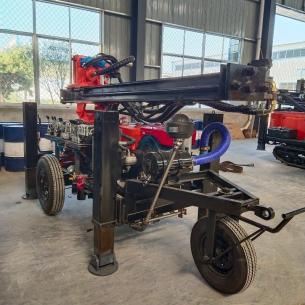
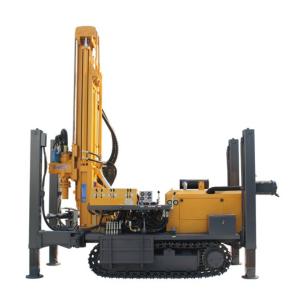
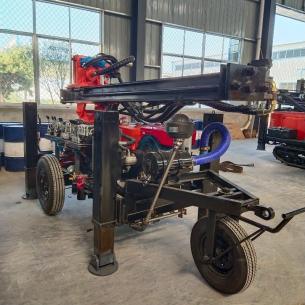
Use and protection of Water Well Drilling Rig at some stage in the running-in period
Investing in a new water well drilling rig is a significant step for any drilling operation. Its long-term reliability, efficiency, and overall performance are paramount to your business's success. Many operators overlook a critical phase that directly impacts all these factors: the running-in period.
Also known as the break-in period, this initial stage of operation is where the machine's components settle into place. How you use and protect your water well drilling rig during this time will set the stage for its entire service life. This comprehensive guide provides essential best practices to ensure your new rig delivers peak performance for years to come.
What is the Running-In Period and Why is it So Important?
The running-in period is the first 50-100 hours of operation for a new or newly overhauled drilling rig. During this time, moving parts like engines, hydraulic pumps, gearboxes, and wire ropes wear into each other at a microscopic level.
Metal surfaces, despite appearing smooth, have tiny peaks and valleys. The running-in process gently wears these peaks down, creating a perfect seal and optimal surface contact between components like piston rings and cylinder walls. Proper running-in:
Seats Components Perfectly: Ensures parts like seals and bearings are properly seated.
Maximizes Performance: Leads to better fuel efficiency, optimal hydraulic power, and smoother operation.
Prevents Early Failure: Reduces the risk of abnormal wear, overheating, and premature component failure.
Extends Service Life: A well-run-in rig will have a significantly longer operational lifespan and lower long-term maintenance costs.
How to Protect Your Rig and Ensure Long-Term Health
Protection is about proactive care and vigilance.
1. Use the Correct Fluids and Lubricants
This cannot be overstated. Always use the manufacturer-recommended grades of engine oil, hydraulic oil, and grease. High-quality fluids are designed to handle the increased metal particulates released during the break-in process. Using inferior products can cause immediate and irreversible damage.
2. Change Fluids Early After Break-In
The first oil change is the most important one. The oil used during the running-in period will contain a high concentration of metal wear particles.
Plan an early fluid change for the engine, hydraulic system, and gearboxes immediately after the first 50-100 hours of operation. Replace both the oil and the filters. This flushes out the harmful debris and provides a clean lubricating environment for the rest of the rig's life.
3. Pay Special Attention to the Hydraulic System
The hydraulic system is the heart of your drilling rig.
Keep it Clean: Ensure utmost cleanliness when checking or adding hydraulic fluid. Contamination is the leading cause of hydraulic pump failure.
Bleed the System: After initial setup, ensure the hydraulic system is properly bled of any air, which can cause spongy operation and damage components.
4. Regularly Check and Re-tighten Connections
As the rig operates and components settle, bolts and connections can loosen due to vibration and thermal expansion. Periodically stop and check key connections (mounting bolts, hose fittings, pipe unions) and re-tighten them to the manufacturer's specified torque settings.
5. Keep Detailed Records
Maintain a logbook for the rig. Record the hours of operation, load conditions, any irregularities noticed (unusual noises, slight leaks), and all maintenance performed. This log is invaluable for troubleshooting and validating warranties.
Conclusion: An Investment in Your Investment
The running-in period of a water well drilling rig is not a suggestion—it is a requirement. Taking the time to properly break in your equipment is a direct investment in its future. By following these guidelines for careful use and diligent protection, you ensure that your rig operates at its peak efficiency, avoids unnecessary downtime, and provides a strong return on investment for many years and many successful drilling projects to come.
Ready to put your well-run-in rig to work? Always prioritize safety and consult your equipment's specific operator manual for manufacturer-recommended procedures.